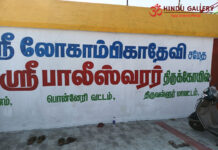


Sri Paleeswarar Temple is one of the ancient temples ascribed to the worship of Bhagwan Shiv. The temple is located at a village named Thiruppalaivanam near Ponneri in the outskirts of Chennai, Tamil Nadu.
In Tamil, jack tree is called as palai maram or palaa maram. The place also is a coastal area with sand spread as a desert. In Tamil, desert is called as Palai. Hence the name Thiruppalaivanam which is the combination of both desert and forest.
Legend
There are a few legends pertaining to the temple
Amrut from Cosmic Ocean
During the churning of Cosmic Ocean, the first outcome was halahala, the poison. Bhagwan Shiv had partaken this and Sri Parvathi Devi had stopped it in His throat. Hence Bhagwan is hailed as Sri Neelkant.
After a lot of struggles and troubles, the nectar which is called “Amrut” had emerged from the ocean. Devas were blessed to have it. Lord Indra, the chief of Devas had taken the Amrut with Him.
He came to a place abounding with jack trees. Indra sat under a tree and made a Shiv Ling from the Amrut in His possession.
He had done pujas to the Shiv Ling and Devas also followed suit. They prayed to Bhagwan Shiv to remain there in divine form to bless the devotees till the end of Kaliyug. Bhagwan had acceded to their request.
There is also a belief that Lord Indra had cleaned His hands after making Shiv Ling at the pond near the place. The pond water then got sanctified with Amrut.
Asuras, on the other hand, were furious that they could not access the Amrut. When they learnt that the pond water got mixed with Amrut, they became frogs and jumped into the pond to have Amrut. However, Devas banned them from entering the pond. It is believed that, even to date, frogs do not enter the temple pond.
Sri Rajendra Chola
During and due to the passage of time, the Shiv Ling got buried inside a palai tree and there were no pujas and rituals. The place turned into a thick forest.
When Sri Rajendra Chola was returning to his Kingdom after capturing the places up north, he had spotted this place abounded with palai trees. He had decided to rest his troops there for a while.
It was a twilight time. His men tied their horses and elephants with the trees. It was getting dark. They found that the men and the animals near a particular tree had fainted. They were scared and reported to the King.
The King wanted to know the reason. He had ordered cutting the tree. When the tree was cut, a Whitish Shiv Ling was found. Due to the axe, a mark was also found at the top of the Lingam.
Sri Rajendra Chola was very much pleased to discover the Shiv Ling and he had built a temple at the very place immediately.
As the Shiv Ling is whitish in colour, Bhagwan is hailed as Sri Paleeswarar. (Tamil name for Milk is Paal). As Shiv Ling was also found in a Palai tree, the same name applies. As the Shiv Ling was originally made from Amrut, Bhagwan is also worshipped as Sri Amriteswarar and Sri Amudeswarar.
Temple Structure
The temple is built as per Dravidian Architecture.
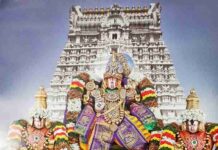
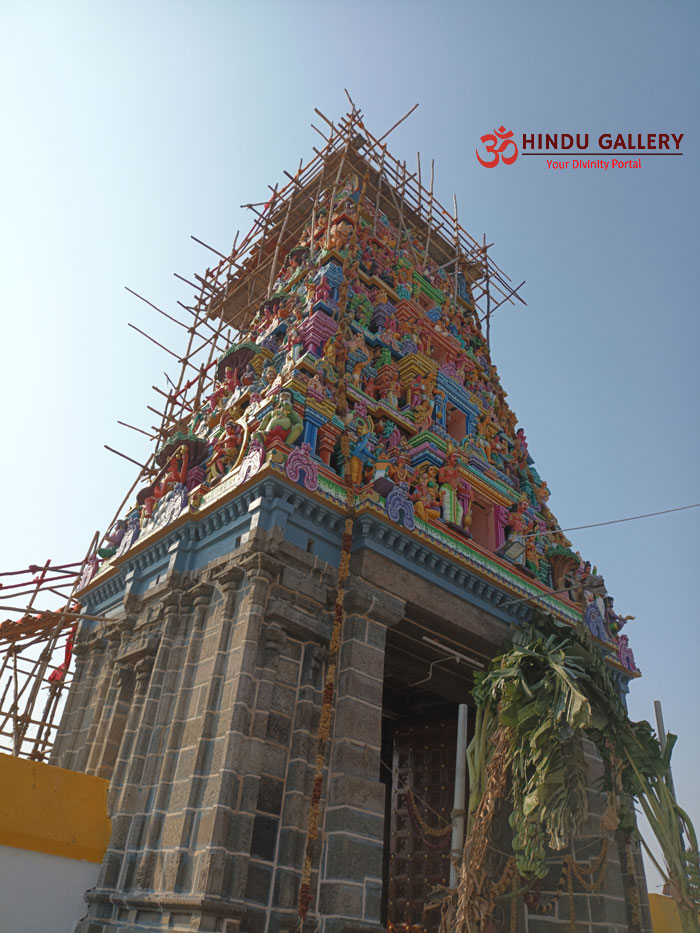
The Raja Gopuram is five tiered with immaculate sculptures. It is east facing.
The Artha Manadpam having the main sanctum is immediately opposite the Rajagopuram.
First, there is a Dwajasthambam and Bali Peedam.
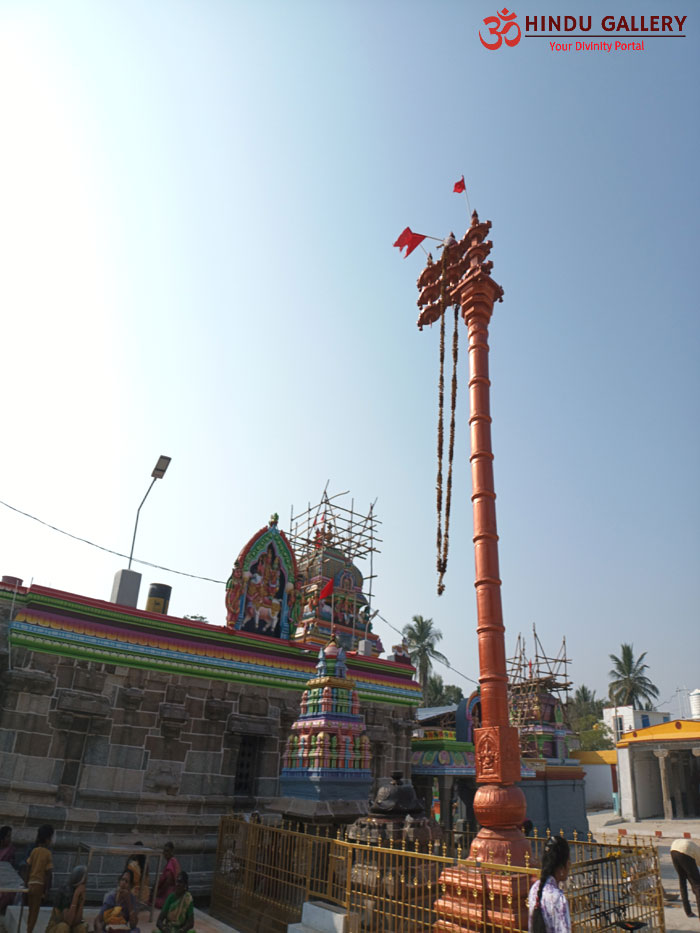
Then there is a small temple like structure for Sri Nandikeshwar. After Nandikeshwar, there is a window on the main sanctum wall from where one can view Sri Bhagwan.
For entering the sanctum, we have to go to the left of Raja Gopuram worshipping Sri Simha Mandapam and Sri Suryanar Shrine.
We reach the Artha mandapam by mounting the few steps.
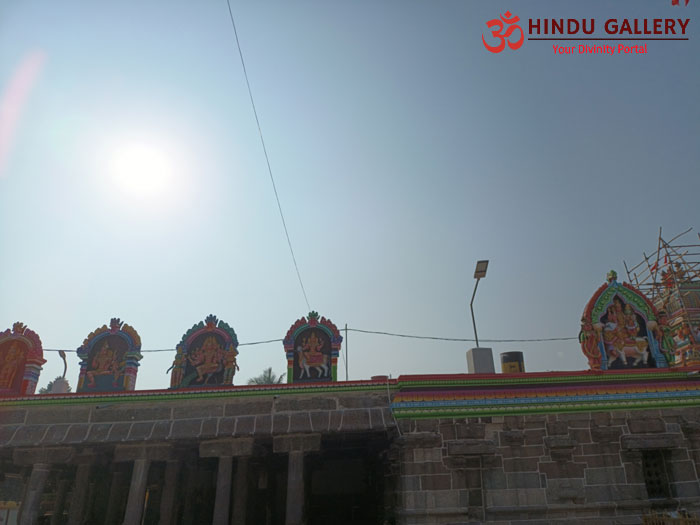
Artha Mandapam is adorned by the pillars with sculptures.
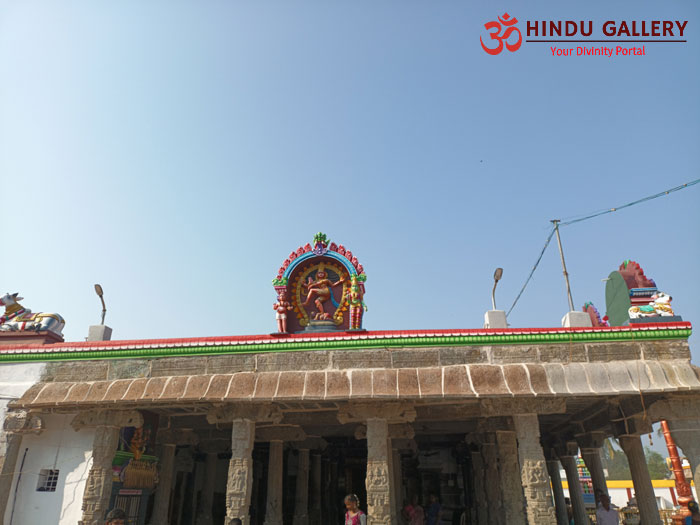
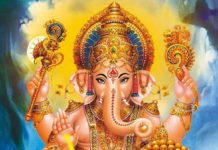
On the left side, we have the darshan of Sri Kadhavir Ganapathi. As per the legend, once the door of this sanctum was caught in fire. Despite that, the vigraha murthy of Sri Ganapathi remained intact.
There is a belief that if anyone had lost valuables, a sincere prayer to this Ganapathi would ensure restoring of the lost things. The prayer gets completed by offering seven coconuts to the Deity after the recovery of the lost items.
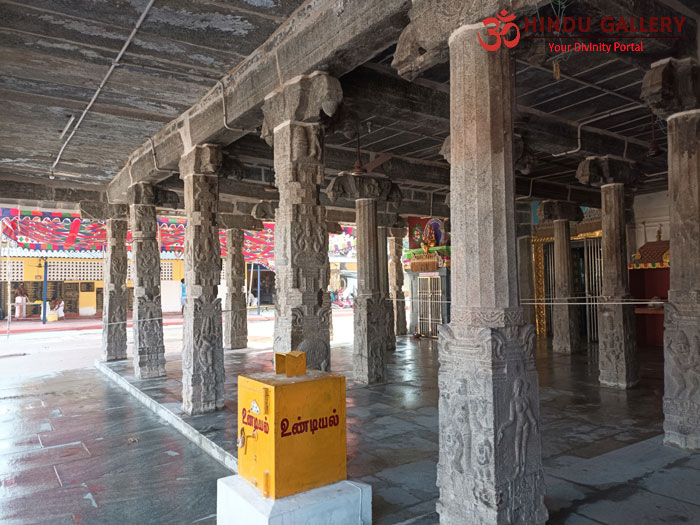
The next sanctum is for Sri Parvathi Devi who is worshipped as Sri Lokeshwari. There is a small inner prakaram with pillars doing the pradakshina of Sri Ambal. She is also worshipped as Sri Balambika. The shrine is flanked by Sri Ganesha and Sri Subramanya on either side.
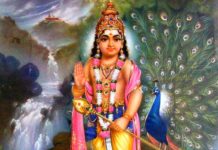
When we come out of this, we get the darshan of Bhagwan Muruga in the form of Sri Arumuga Peruman with Sri Valli and Sri Devyani. Sri Pamban Swamigal had composed hymns in praise of Sri Muruga here.
We have to enter the main sanctum at the right side corner of the mandapam at the southern side. Immediately opposite the main sanctum entrance, we get the darshan of Sri Nataraja Swamy and Sri Sivakama Sundari on an elevated mandapam.
To our right, we can see another Sri Nandikeshwar facing Bhagwan Shiv. Sri Nandi’s head is slightly tilted. There is a Bali Peedam.
Prior to entering the door of main shrine, we get the darshan of Sri Vinai Theertha Vinayakar in the left side.
We have to turn left to reach the main shrine. At the Dwar / entrance of the main shrine, in the left side, we can worship Sri Dwara Ganapathi in huge form. Behind Him, there is a Deity.
At the right side of the entrance, we can worship Sri Dakshina Murthy who blesses in the form of Sri Upadesa Guru.
To the left side of the entrance, we get the darshan of Sri Machavadhara Samhara Murthy.
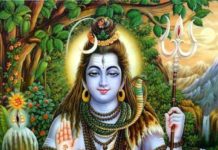
At the main shrine, we get the divine darshan of Sri Paleeswarar, who is whitish in form. He is facing east.
For the Shiv Ling, abhishekam is done only with milk, rose water (panneer), tender coconut water and vibhudihi (holy ash). Sri Lingam is immediately then wiped with a cloth.
There is a silver ornament at the head of Shiv Ling depicting vibhudhi lines. Chandan is applied only on this ornament.
Rest of the abhishekam is done only to avudayar, the base of Shiv Ling. Even for Aipasi Annabhishekam, it is done only for the avudayar.
In the perambulation of inner prakaram, we have the darshan of Sri Ganesha, Sri Dakshina Murthy, Sri Brahma, Sri Vishnau and Sri Durga on the outer wall of the main shrine. Sri Vasuki, the Naga Devatha is in a separate shrine.
After coming out of the Artha Mandapam, we have to proceed to our right for doing the perambulation of the outer prakaram of the temple.
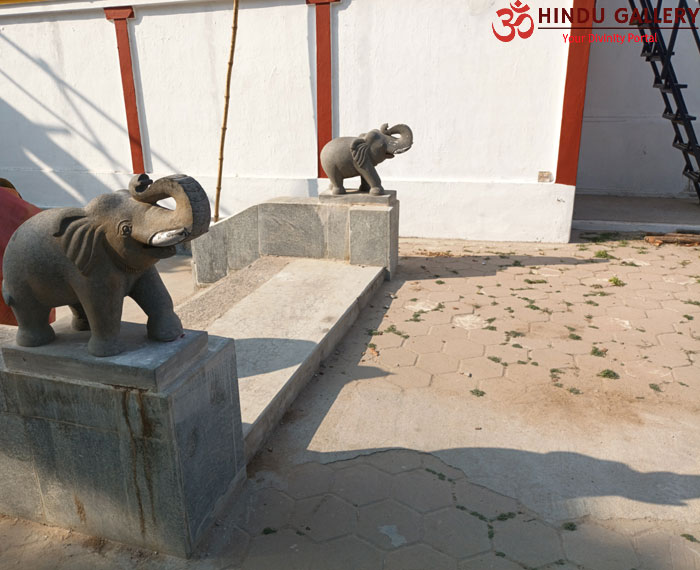
First, we sight a separate Sannidhi for Sri Vinayak who is worshipped as Sri Sundara Vinayakar. The entrance to this shrine is adorned with small elephant sculptures.
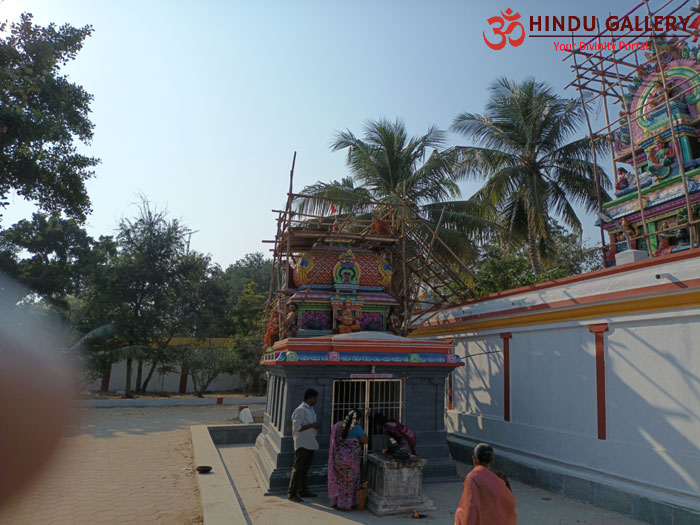
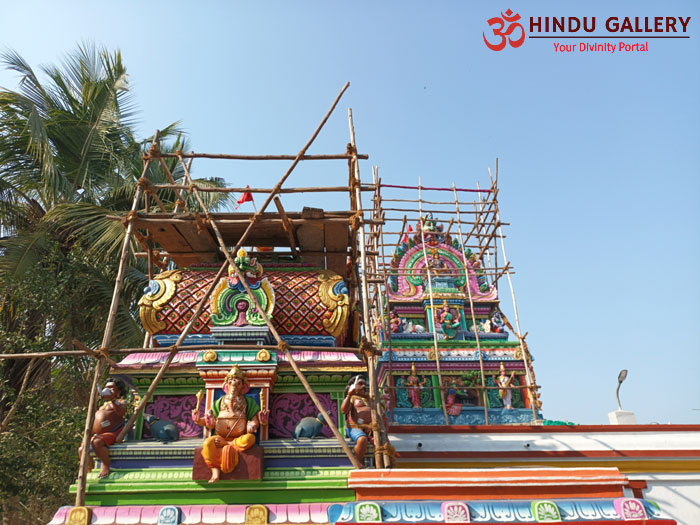
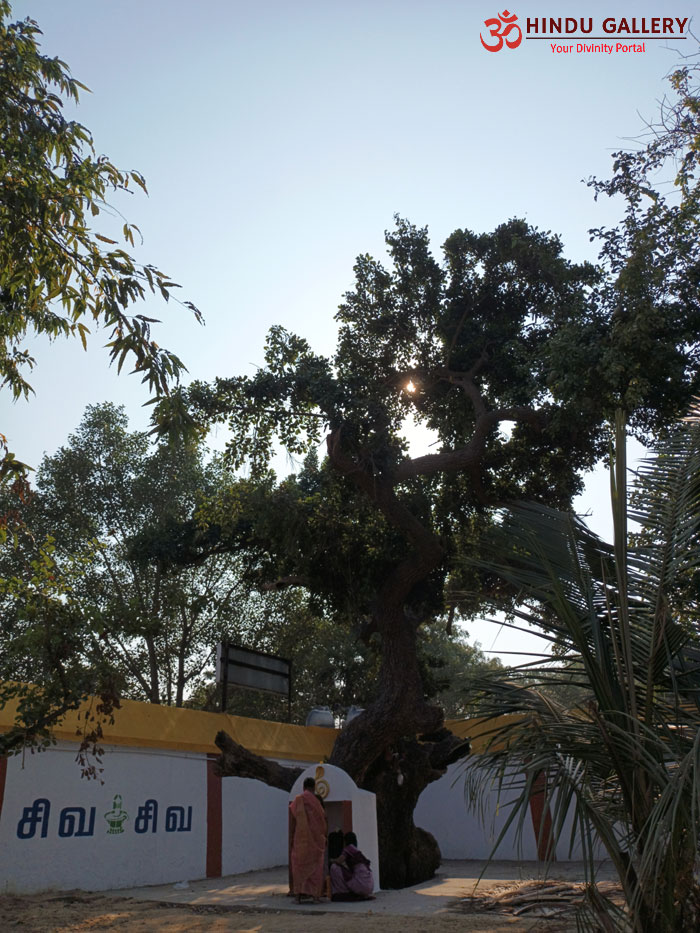
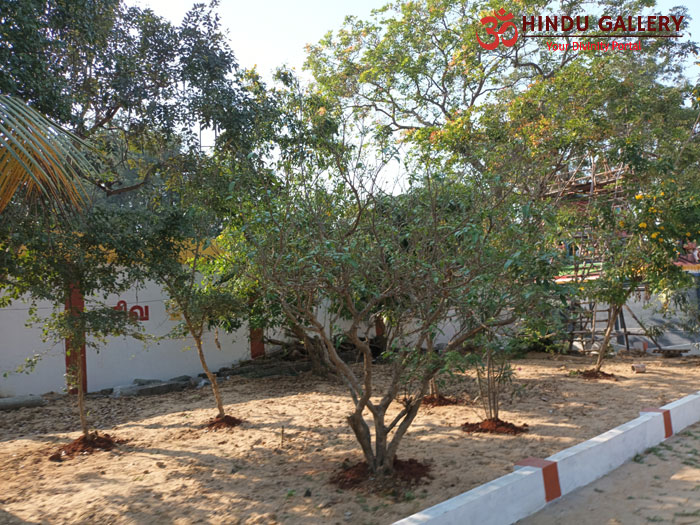
Then, we proceed further to the Sthala Vruksham, the temple tree. We can worship Sri Naga under the tree.
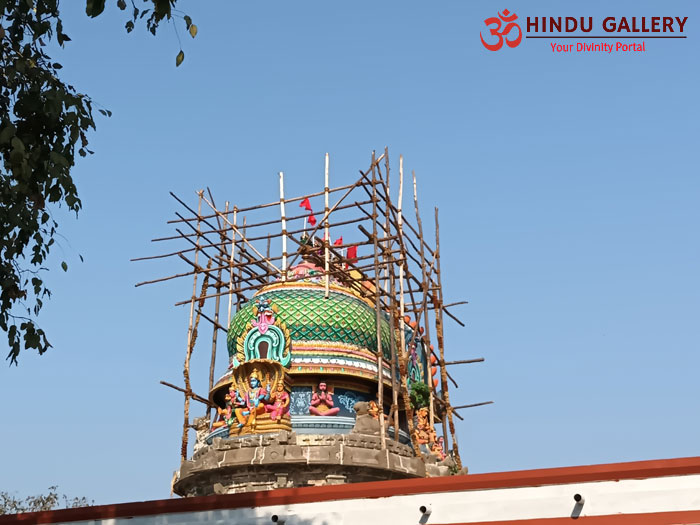
Further down the perambulation way, we see the backside of the main sanctum where the Gopuram of the main sanctum can be seen in Gaja Brushtam (backside of the elephant) form.
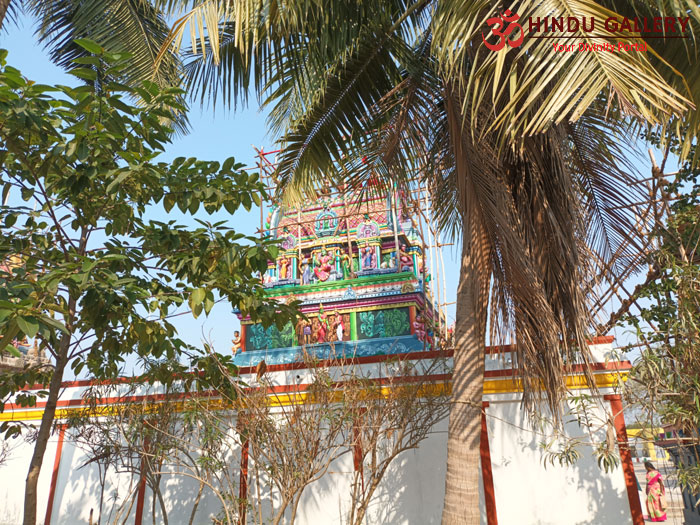
There we can have the darshan of Sri Arunachaleswarar in a separate sanctum with a small Nandikeshwar in the front.
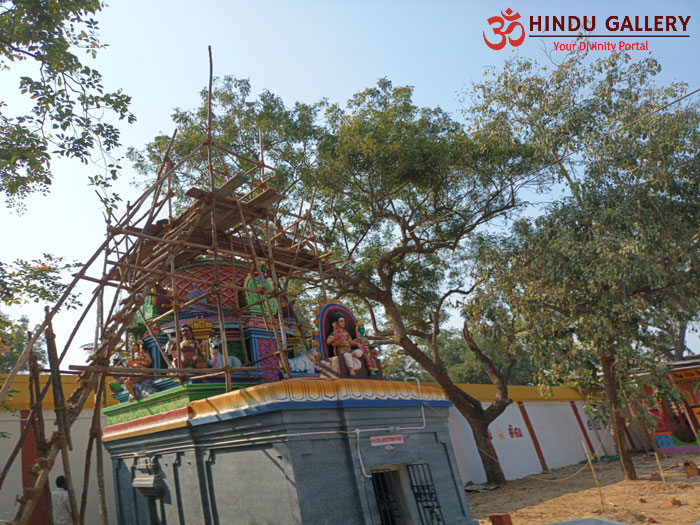
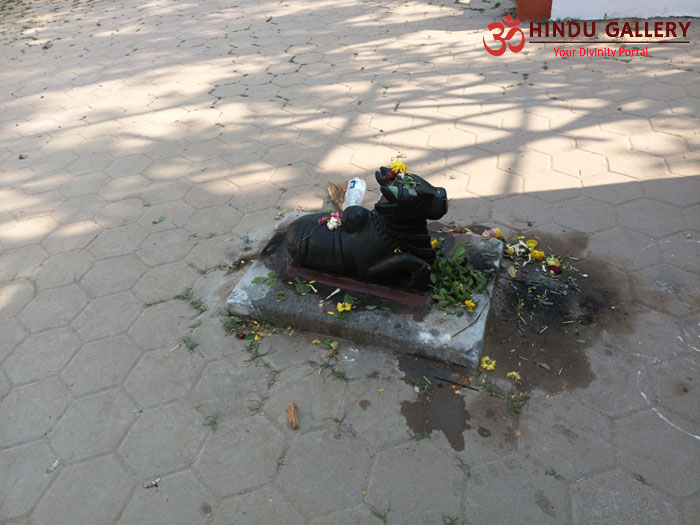
Going further in our pradikshanam, we can see the shrine of Sri Chandikeshwar to our right.
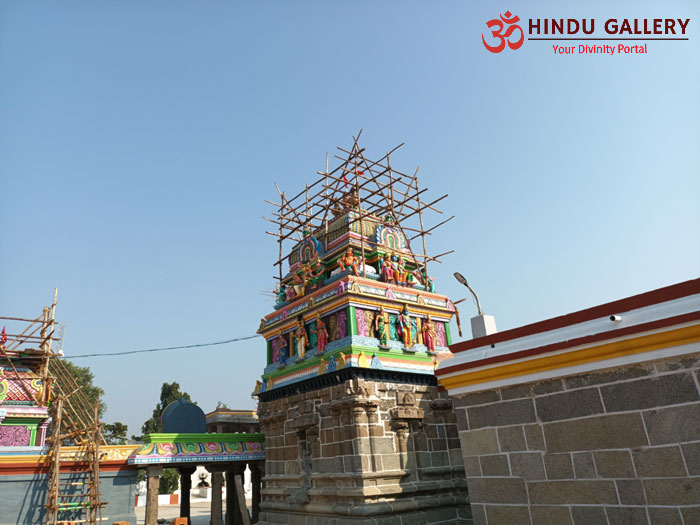
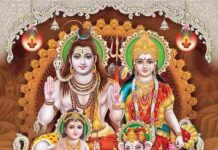
After a few steps, we get the darshan of Sri Shiva and Parvathi in a small stone mandapam.
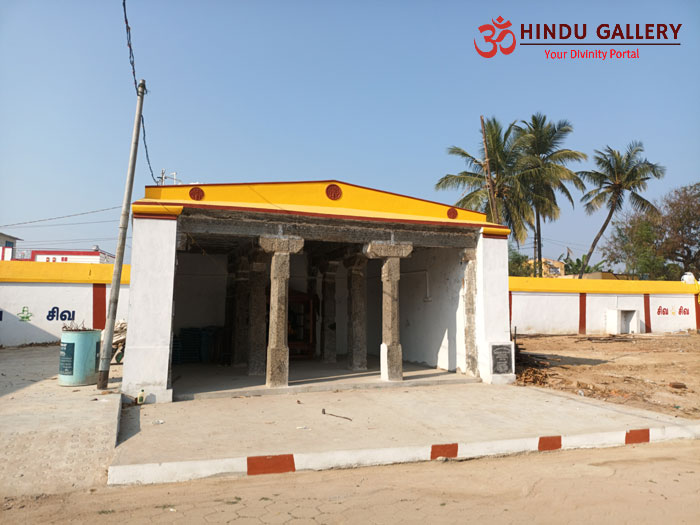
At the place of ending our perambulation, we get the darshan of Sri Bhairava in a separate sanctum with pillars.
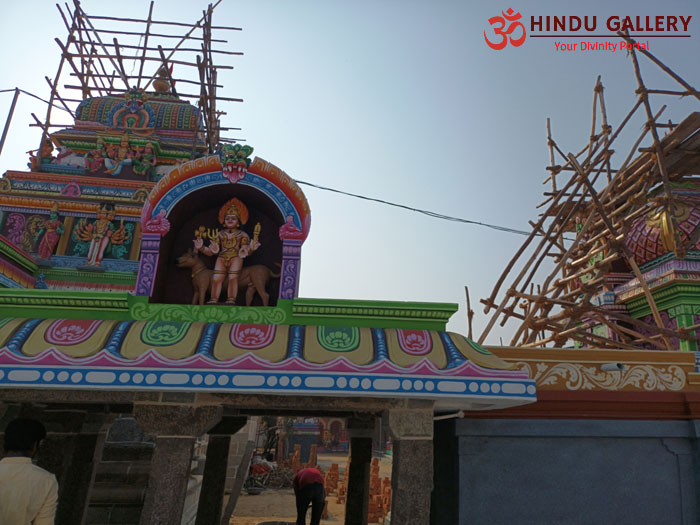
To the left of Sri Bhairava sanctum, we have the shrine for Sri Nava Grahas.
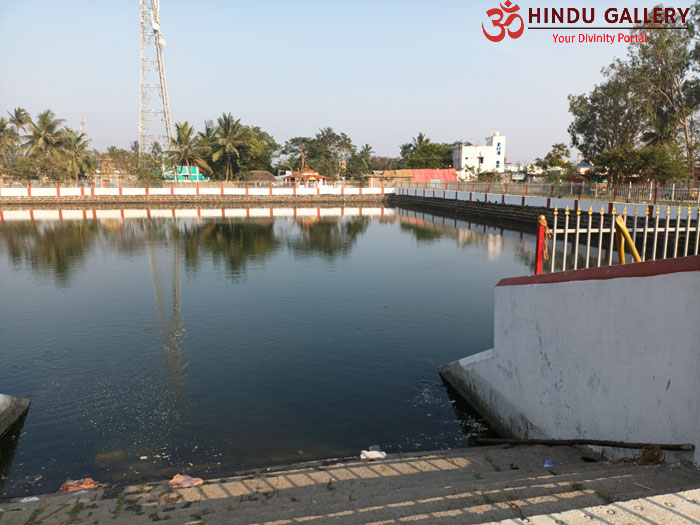
The serene temple tank is just opposite the Rajagopuram. It is called as Sri Amrita Pushkarani.
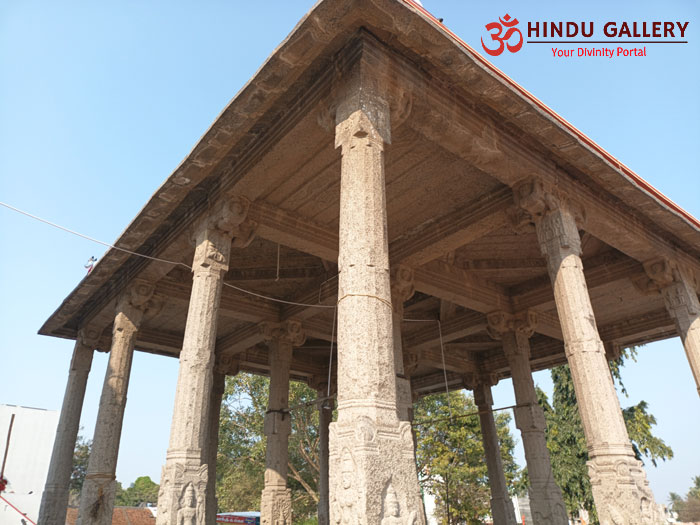
There is a 16 pillar sculptured mandapam between the Rajagopuram and the temple tank.
Saivik Sage Sri Manika Vasagar had composed hymns on Bhagwan Sri Paleeswarar in His Thiru Vasagam.
Festivals
Pradosham, Masik Shiv Rathri, Maha Shiv Rathri are the regularly observed in this temple. Panguni Mahotsavam is the annual festival here.
Temple timing
The temple is open from 07.00 AM to 12.00 Noon and from 04.30 PM to 08.00 PM. Timings may differ during festivals.
How to reach
The temple can be reached by road from Chennai through bus or car. Ponneri is the nearest railway station to this place.